The New Brunswick Arts Board is an arm’s length arts funding agency with a legislated mandate to facilitate and promote the creation of art as well as administering funding programs for professional artists in the province.
Join our mailing list
What's happening in October at artsnb?
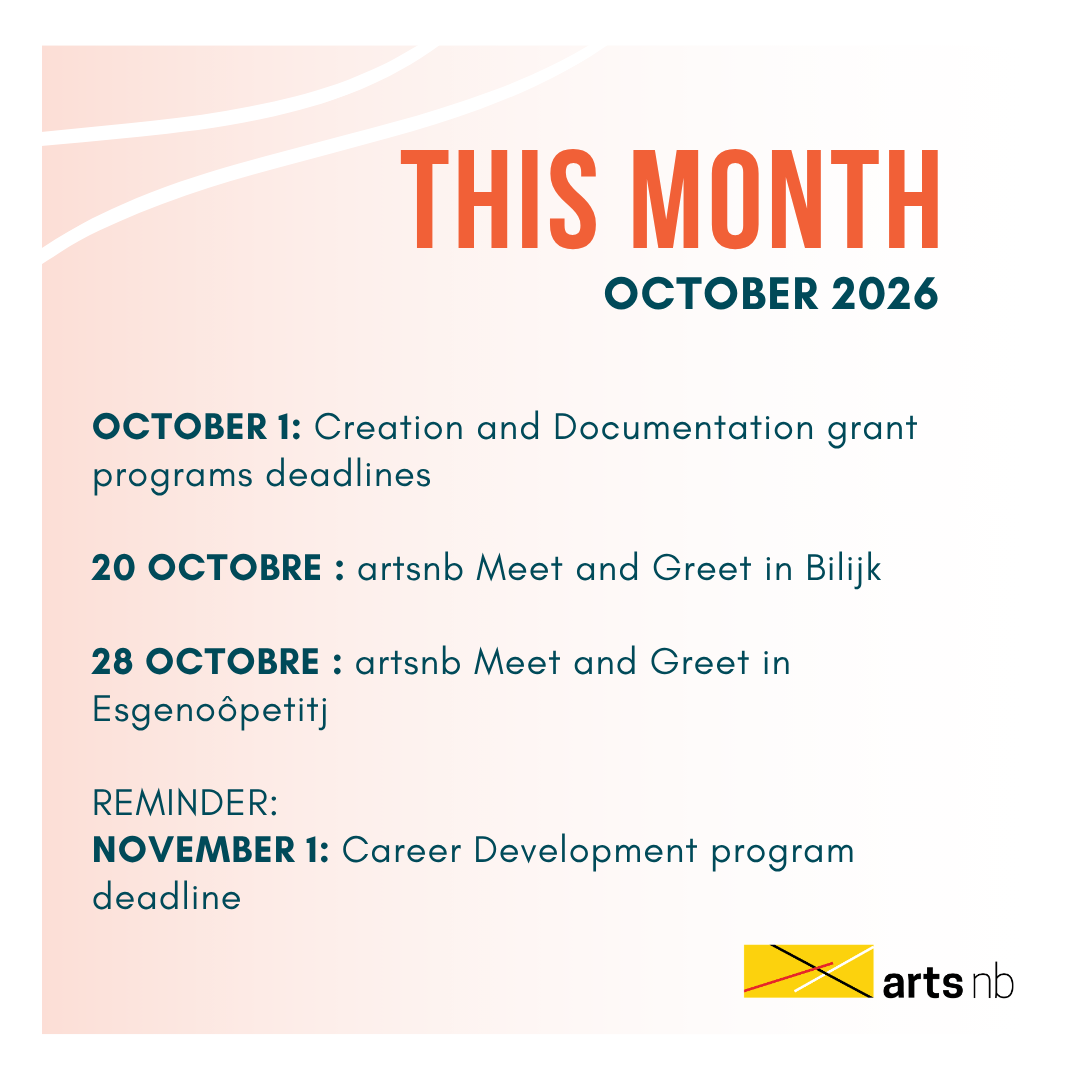
October 1st – Creation and Documentation programs deadlines
October 20th – artsnb Meet and Greet in Bilijk
October 28th – artsnb Meet and Greet in Esgenoopetitj
*November 1st – Career Development program deadline
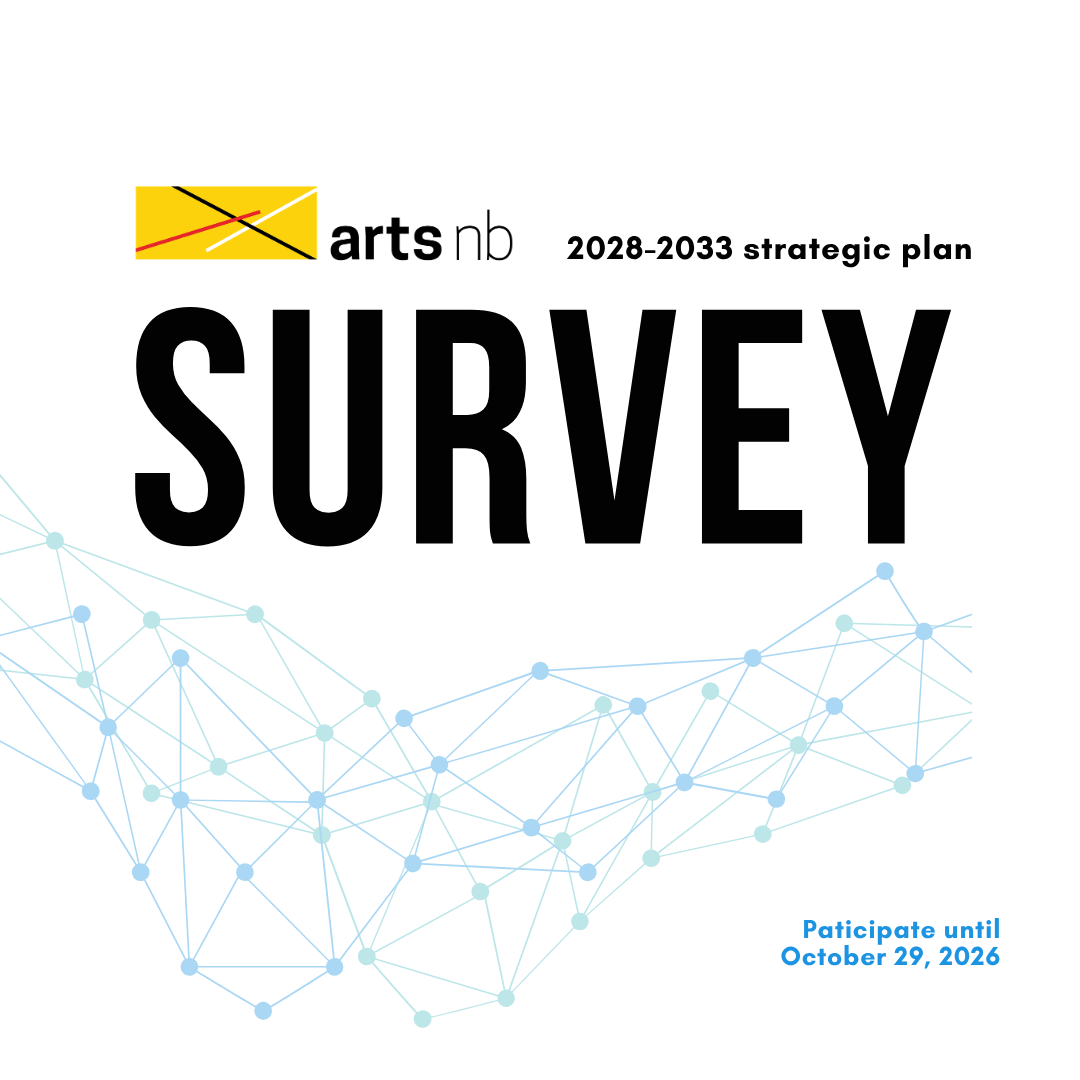
Hello artists, arts workers, members of the public, community leaders, and partners, On behalf of the Board of Directors and the entire team, I am delighted to invite you to take part in the New Brunswick Arts Board’s (artsnb) 2028–2033 strategic planning exercise by completing the artsnb Survey – Strategic Planning 2028–2033. In the midst of the
October kicked off with big deadlines for the Creation and Documentation programs. It’s a quieter month as the artsnb team processes applications and prepares for those upcoming rounds of peer juries! OCTOBER 1st – Creation and Documentation programs deadlines Find out more about the Creation program here and the Documentation program here. OCTOBER 20th
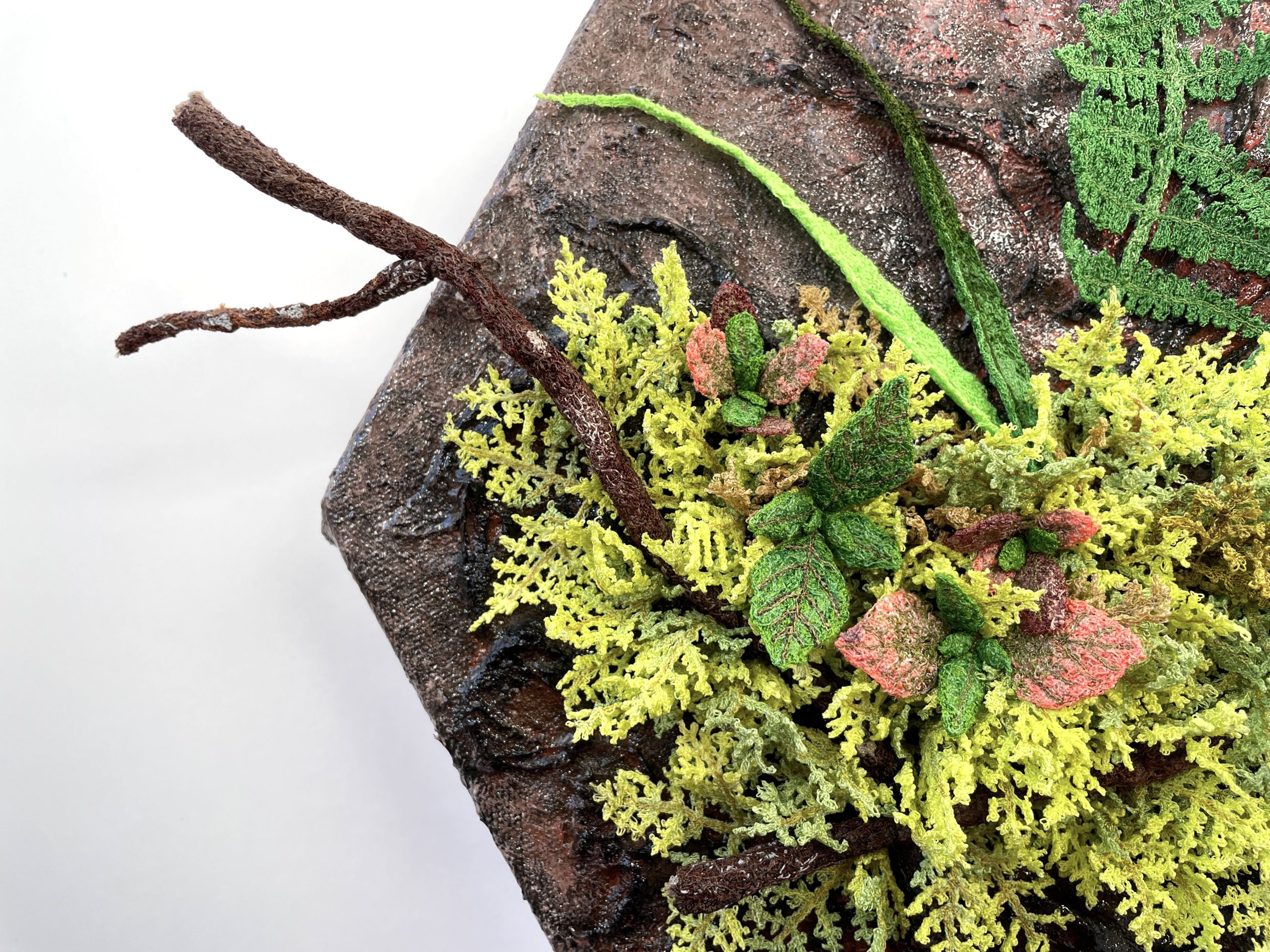
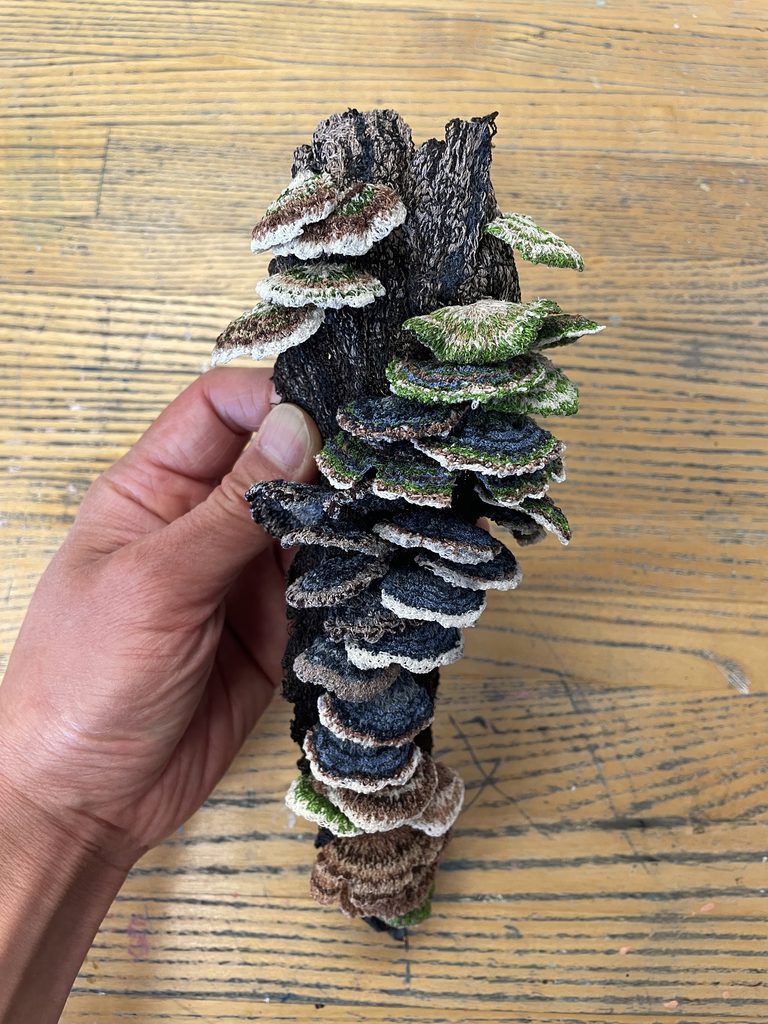
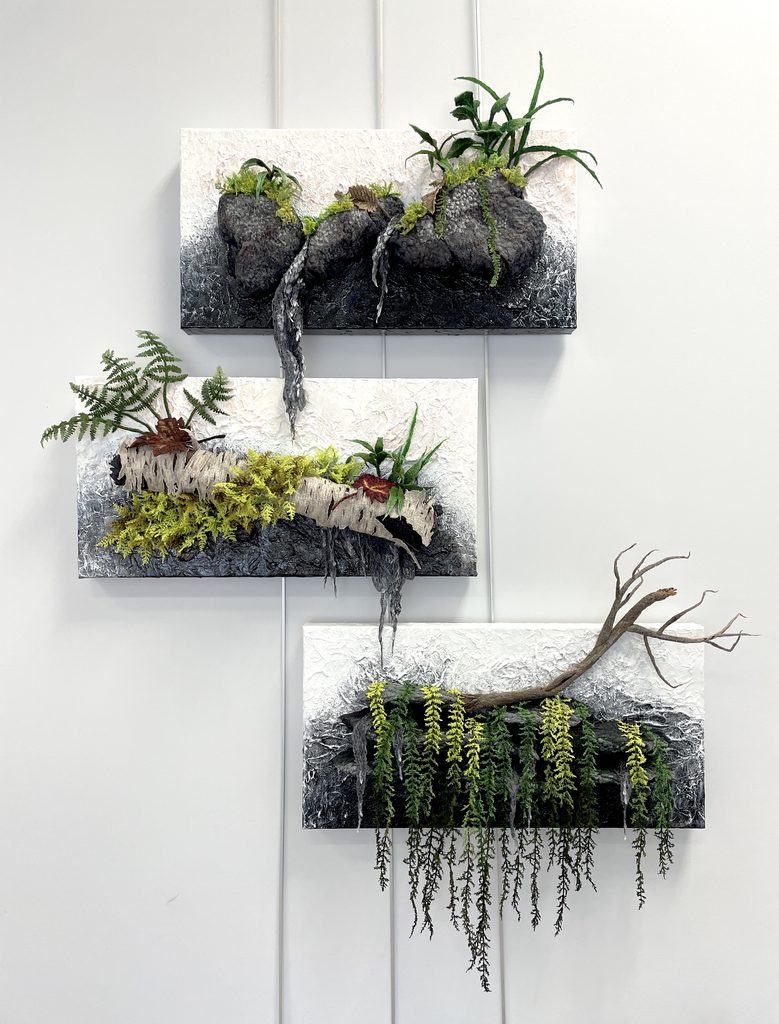
Nature has many faces, though the subjects that I work with do not show their emotions. I imagine their words, their songs, their prayers, and write them down as human thoughts. On the other hand, I see their energy clearly. All living and non-living things retain their continuing energy, even after death. I stitch their shapes and colours, and bring their energy out of the canvas.
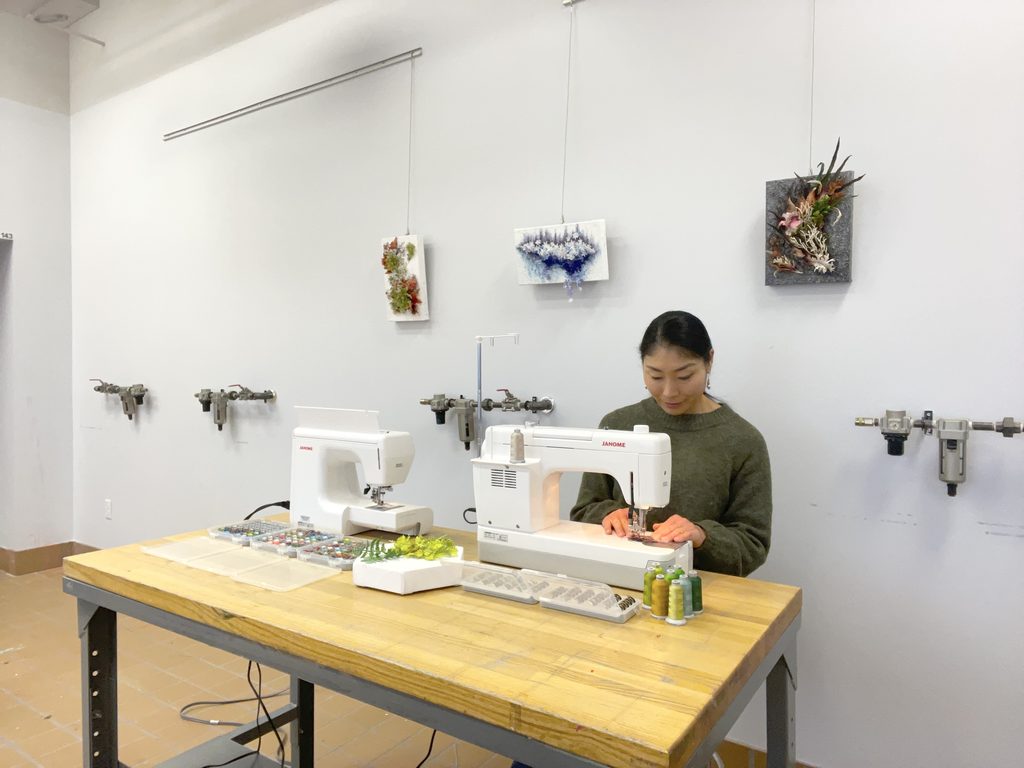
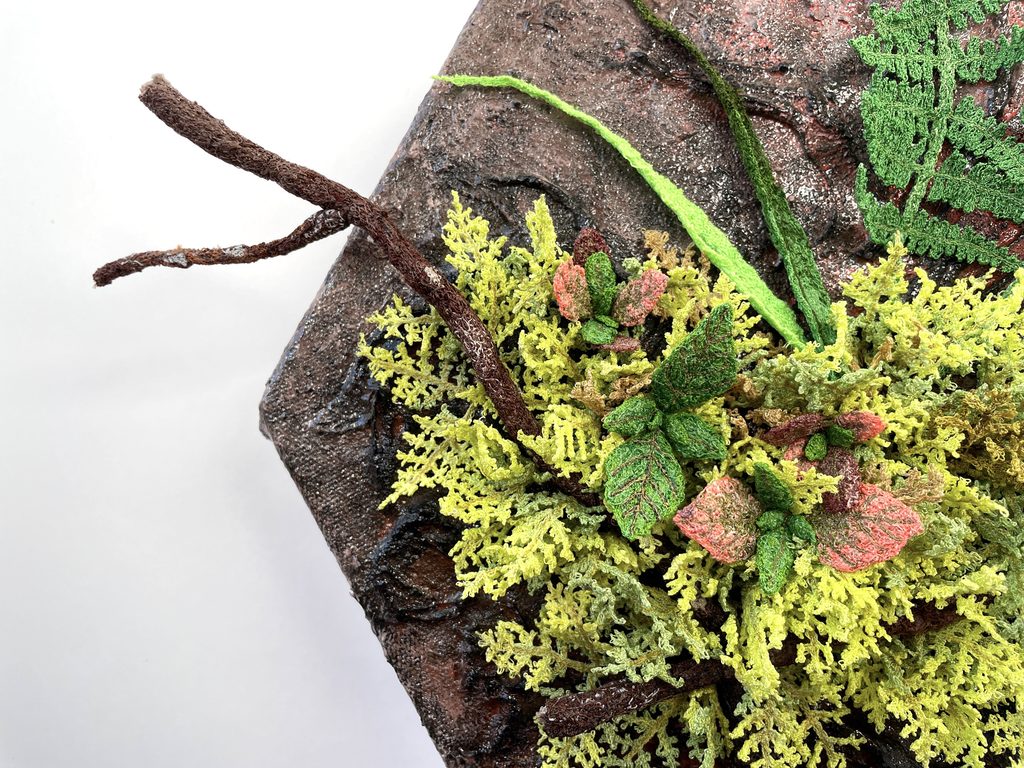
My name is Tomoko Charron and I work with embroidery and painting. I stitch with a sewing machine using a free-motion embroidery technique. I stitch on water-soluble stabilizer, then wash it away after completing the stitching so that only the embroidery remains. I hand-sew the pieces onto a painted canvas, thinking about balance and energy. In 2024, I received an Arts Infrastructure Grant from artsnb, and almost at the same time, I also received an Artist-in-Residence Grant to work at the Dieppe Arts and Culture Centre (DACC). At that time, I was using my standard home sewing machine, and I was able to upgrade to two new sewing machines with the Infrastructure Grant. One of them was industrial-grade, and it became a game changer for both the speed and quality of my work.
The projects were to create the “Wellside Meeting” series — five pieces for the Infrastructure Grant and one triptych for the Residency Grant — within six months. This would have been an impossible amount of work for me without the new machines. The residency also allowed me to fully concentrate on my project for three months in my own studio space at DACC. Optimizes equipment and environment significantly upgraded the quality of my work. Wellside Meeting is inspired by plants gathering around spring water in the mountains. It looked as though they were all gathering around a well and enjoying conversation. All living things come to where water is. I wanted to embroider not only the plants, but also the flowing water.
The biggest challenge was to embroider water. I like to stitch thick and solid forms, and because of that, my first water embroidery came out looking like a chunk of mold… It needed more fluidity. I stitched with far fewer layers and created softer pieces that could move like water when placed on the canvas. This took much more time than I expected, and I ended up working many hours in the studio, including weekends. As a mother of a young child, I could not have done this without my husband’s support.
The residency at the DACC was also my first public appearance as a visual artist. I held three open studios in the residency space and exhibited my artwork at the end of the residency. People visited to see my works in progress in the studio and the finished pieces at the exhibition. This experience helped build my career as a visual artist. After I finished all of these projects and came out of all the excitement, I returned to a place where I didn’t know the next step in my art career. I approached Paul-Édouard Bourque, who kindly came to see my exhibition opening, to be my mentor, and I received a Career Development – Professional Development Grant from artsnb.
There are many ways to live as an artist, and each of us has a different discipline. This mentorship was exactly what I needed and opened up my vision for the next step. My art is formed through my life experiences and self-taught practice and research. Creating art is the main part of my work, but the business side is equally important. I learned some of it from my experience as a self-employed circus artist, but the visual arts world is different.
I was working independently and often questioned whether my approach was right. With Paul-Édouard’s guidance, I was able to confirm many of my instincts and decisions, which strengthened my confidence and sense of purpose. Currently, I’m exploring techniques to create better gradation with threads, while also increasing the speed at which I can create large-scale works. Large artworks can be intimidating for an artist who specializes in embroidery. This journey has just started, and I’m very thankful to have reached this point. As an immigrant, it can sometimes be difficult to start a new life in a new country. To have my identity recognized and to receive support has been a huge source of motivation for me. I would like to say a huge thank you to artsnb for supporting my growth as an artist
As a provincial entity, the New Brunswick Arts Board acknowledges that it carries out its work on the traditional unceded territory of the Wolastoqiyik, Mi’kmaq and Peskotomuhkati peoples. Read the full statement.